- ON-LINE-EVENT
First On-line
Seminar
SESSION CHAIRS
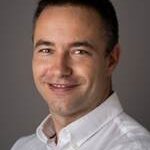
Gabor Jarvas
Research Institute of Biomolecular and Chemical Engineering University of Pannonia (Hungary)
Michał Wozniaker icz
Faculty of Chemistry, Jagiellonian University (Poland)
Program Details
Duration 2,5 hours
Lecture 1
The Mystical Journey of Biomolecules in Pharmaceutical Analysis
Márton Szigeti, Gedeon Richter Pharmaceutical Company and Gabor Jarvas Research Institute of Biomolecular and Chemical Engineering University of Pannonia (Hungary)
Lecture 2
Strategy in analytical calibration
Marcin Wieczorek, Faculty of Chemistry, Jagiellonian University (Poland)
Speaker Biographies
Lead investigators and session contributors for the 2026 series.
Gabor Jarvas
Research Institute of Biomolecular and Chemical EngineeringUniversity of Pannonia
Veszprém, Hungary
Gabor Jarvas is an active researcher currently work intensively in various fields of bioanalytics. By graduation he is a chemical engineer having PhD in chemistry with summa cum laude rating. According to https://www.tudomanymetria.com/ Dr Jarvas is ranked in the top 20% (D2) researcher of Hungary. He co-authored 50 peer reviewed papers and a book chapter, which received > 710 citations, H = 16 (https://www.scopus.com/). Furthermore, Dr Jarvas has nine patent applications (from which two are granted). Gabor Jarvas gained significant experience at leading international institutes, such as The Scripps Research Institute (USA), Central European Institute of Technology (CZ) and Givaudan (CH). Dr Jarvas contributed in the planning, implementation, management and successful termination of 15 R&D projects.
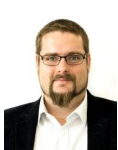
Márton Szigeti
Analytical Development SpecialistGedeon Richter Pharmaceutical Company
Budapest, Hungary
Márton Szigeti is an experienced analytical scientist with more than 15 years of expertise in separation science, mass spectrometry, and advanced analytical method development. His work focuses on the development, validation, and automation of high-performance analytical workflows for complex biological and industrial systems. He has extensive experience in capillary electrophoresis (CE, CESI-MS), HPLC, and LC–MS/MS, including advanced QTRAP and triple TOF platforms. His analytical work includes N-glycan and small carbohydrate analysis, glycoprotein characterization (mAbs, serum biomarkers), and CE–ESI-MS method optimization. He has also contributed to pre-spray LIF detection development and microfluidic device innovation for circulating tumor cell capture. In industrial and GLP environments, he has developed and validated HPLC methods, supported laboratory infrastructure setup, participated in audits, and contributed to SOP development. His analytical portfolio further includes calorimetry (TGA/DSC-MS), gas chromatography, inverse gas chromatography, UV/VIS spectroscopy, and fermentation analytics.
Strategy in analytical calibration
Abstract. During the lecture, three basic and most popular calibration methods will be presented and their limitations related to systematic errors caused by the interference effect will be discussed in details . In addition, several selected, innovative and less frequently used calibration approaches will be presented, which enable the diagnosis of matrix effects and/or enable the elimination of their influence on the analytical result. The advantages and disadvantages of each presented calibration method will be discussed.
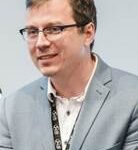
Marcin Wieczorek
Jagiellonian UniversityFaculty of Chemistry
Department of Analytical Chemistry
Kraków, Poland
Marcin Wieczorek received M.Sc. and Ph.D. degree in analytical chemistry at the Faculty of Chemistry Jagiellonian University in Kraków in 2002 and 2007, respectively. In 2008, he was honored with the award of the Committee of Analytical Chemistry of the Polish Academy of Sciences for his PhD thesis. Since 2007, he has been working in the Department of Analytical Chemistry at the Faculty of Chemistry Jagiellonian University. He is a habilitated doctor in chemical sciences since 2020. His main scientific interests focus on development of new analytical calibration strategies and on new methods in chemical analysis realized with the use of flow techniques. He is a member of the Environmental and Industrial Analysis Team of the Committee of Analytical Chemistry Polish Academy of Sciences. He published more than 70 scientific articles, reviews or book chapters.
- UPCOMING EVENT
Second On-line Seminar
15th April 2026, 14:00 CET